Showing posts with label Health - SUCH TV - SUCH TV. Show all posts

Saturday, October 13, 2018

UN Worker Among Sharp Increase in DRC's Ebola Caseload

UN Worker Among Sharp Increase in DRC's Ebola Caseload

Medical staff are sterilized before entering the isolation unit at a hospital in Bundibugyo, western Uganda, on Aug. 17, 2018, where there is one suspected case of Ebola.
A U.N. employee in eastern Democratic Republic of the Congo has tested positive for Ebola, the first such incident during the current outbreak, according to the head of the U.N. peacekeeping mission.

"I am writing today to inform you that my leadership team and I have regretfully just received news that a U.N. colleague based in Beni has tested positive for Ebola and is now receiving the necessary medical treatment," Leila Zerrougui wrote in the letter obtained by the Reuters news agency.

Zerrougui said the employee had not been to work for several weeks and that officials were tracing the person's contacts.

The news came after health officials warned that the rate of new Ebola cases had more than doubled since September.

Rise in cases a concern

The sharp rise has health officials concerned that the situation in eastern DRC Is at a crossroads.

Either the outbreak is getting worse, or local residents are finally responding to education campaigns and government edicts and are no longer resisting health workers.

The death toll stood at 125 as of Friday, out of 201 reported Ebola cases (166 confirmed and 35 probable), according to the DRC's health ministry.

This outbreak, the country's 10th, initially was reported Aug. 1.

"The fact that we see more cases could also be a positive sign," said Tarik Jasarevic, a spokesman for the World Health Organization, speaking by phone from Geneva on Thursday. "… We have seen in the past that sometimes people would hide sick ones or would actively run away" from aid workers charged with tracing the contacts of infected patients — a step essential to curbing the deadly disease's spread.

Attack keeps workers inside

But insecurity is complicating the health community's response in the outbreak's epicenter in the North Kivu region, where more than 100 armed opposition groups operate, and more than 1 million people have been displaced.

The jump in reported cases follows a Sept. 22 armed attack in Beni, a town near the border with Uganda and the center for aid efforts. Eighteen people died, including 14 civilians, according to the army.

Jasarevic said WHO health workers were forced to stay indoors for two full days following the attack.

"Operations were hampered by the insecurity," Jasarevic said. "… And not only because of the [health] teams not being able to go out, but also because of the reaction of the population."

Red Cross volunteers attacked

Other violence has impeded aid work in the region. Last week, three Red Cross volunteers on an Ebola burial team were attacked and injured while conducting their duties in the northeast city of Butembo, according to the DRC Red Cross. It said, in a statement, that two of the volunteers were being treated for serious wounds.

The Red Cross statement reminded people that the body of an Ebola victim is highly infectious and requires careful handling. The Ebola virus spreads through contact with bodily fluids.

In addition, some families have refused to allow aid workers to check on and treat potential patients, and other victims have fled, raising the possibility that the virus could spread to neighboring Uganda, Rwanda and South Sudan.

Jasarevic said local people's "reaction to the Ebola response is sort of linked to their reaction to the general insecurity, basically thinking that if all these authorities, including international actors, are not able to provide security, how it would be then possible for them to try to control the outbreak?"

Emergency Committee meeting on an Ebola outbreak in Democratic Republic of the Congo, May 18, 2018.

The WHO initially had predicted the disease possibly could be brought under control within three months, thanks in part to a vaccine that has proven effective for people who have been exposed but haven't shown symptoms, and new treatment drugs for people who have contracted Ebola.

But Peter Salama, WHO's executive director of the health emergencies program, said Thursday that the response timetable needed revision.

"We anticipate that now we'll be looking at least another three or four months in order to really stem this outbreak, with a strong focus again on Beni and surrounding areas," Salama said at a Geneva news conference.


from Health - SUCH TV - SUCH TV https://ift.tt/2A7oL6B

Life-Sized Plastic Whale to Raise Ocean Pollution Awareness

Life-Sized Plastic Whale to Raise Ocean Pollution Awareness

Artist Joel Deal Stockdill, lower right, works on a blue whale art piece made from discarded single-use plastic at Crissy Field in San Francisco, Oct. 12, 2018.
Artists are putting the finishing touches on an 82-foot-long (24-meter-long) blue whale made from discarded plastic that will be on display near San Francisco's Golden Gate Bridge to raise awareness about ocean pollution.

The Monterey Bay Aquarium said Friday a blue whale can weigh 300,000 pounds (136,000 kilograms) — about the amount of plastic scientists say enters the ocean every nine minutes.

A 2015 study by Jenna Jambeck, an environmental engineer at the University of Georgia, found 9 million tons (8 million metric tons) of plastic waste enter the ocean annually.

The sculpture created from plastic water bottles, lids and bags by artists Joel Deal Stockdill and Yustina Salnikova will be publicly unveiled Saturday.

It is located in Crissy Field, the heart of the Golden Gate National Recreation Area.

It is sponsored by the aquarium in partnership with the National Park Service and the Golden Gate National Parks Conservancy.


from Health - SUCH TV - SUCH TV https://ift.tt/2EhVkmH
C-section births rise rapidly to more than 20 per cent worldwide

C-section births rise rapidly to more than 20 per cent worldwide

C-section births rise rapidly to more than 20 per cent worldwide
Rates of caesarean section births almost doubled between 2000 and 2015 – from 12 to 21 per cent worldwide - new research has found, with the life-saving surgery unavailable to many women in poor countries while often over-used in richer ones.

The research, published in The Lancet medical journal on Thursday, found that 60 per cent of countries overuse C-sections and 25 per cent under-use them, suggesting that recommendations for their use in cases of medical need are widely ignored.

In at least 15 countries, more than 40 per cent of all babies born are delivered by C-section. The highest rate, of 58.1 per cent, was in the Dominican Republic.

Experts estimate that between 10 and 15 per cent of births medically require a C-section due to complications such as bleeding, foetal distress, hypertension or a baby being in an abnormal position.

While the procedure can save lives - of both mothers and newborns - it can also create complications and side effects, including higher risks for future births.

“The large increases in C-section use – mostly in richer settings for non-medical purposes – are concerning because of the associated risks for women and children,” said Marleen Temmerman, an expert from Aga Khan University in Kenya and Ghent University in Belgium who co-led the research.

She called on doctors, midwives and other health workers “to only intervene in this way when it is medically required”.

The research tracked trends in C-section use globally and in nine regions based on data from 169 countries from World Health Organization and UNICEF databases.

It found that globally, C-section use has increased by 3.7 per cent a year between 2000 and 2015 – rising from 12 per cent of live births in 2000, to 21 per cent in 2015.

C-section continues to be overused in North America, Western Europe and Latin America and the Caribbean, where rates rose by around 2 per cent a year between 2000 and 2015 to 32 per cent, almost 27 per cent and more than 44 per cent respectively.

The pace of change varied widely between regions, with rapid increases seen in South Asia and much slower rises in Africa.

Looking at trends in Brazil and China where there is high use of C-section, the researchers found that many were in low-risk pregnancies, in women who were well-educated, and in women who had previously had a C-section.

They said it was important for women and healthcare workers to understand the “small but serious risks” associated with C-sections, and ensure they were used in cases medical need.

C-sections have a more complicated recovery for the mother, they said, and lead to scarring of the womb, which is associated with bleeding, abnormal placenta development, ectopic pregnancy, stillbirth and preterm birth in subsequent pregnancies.

Common reasons why women request C-sections include past negative experiences of vaginal birth, fear of labour pain or of the effects of labour such as pelvic floor damage, incontinence and reduced sexual function.


from Health - SUCH TV - SUCH TV https://ift.tt/2NDlaRe

Friday, October 12, 2018

Nail polishes often claim falsely to be toxin-free

Nail polishes often claim falsely to be toxin-free

Nail polishes
Although nail polish manufacturers have begun removing some toxic ingredients, their labels are not always accurate and the reformulated products aren’t necessarily safer, suggests a new study.

“We were trying to learn more about what ingredients were in nail polish, and the more we dug deep into the labels, the more confused I was about the health claims, which I knew would be confusing for consumers and nail salon workers, too,” said lead author Anna Young of the Harvard T. H. Chan School of Public Health in Boston.

In the 2000s, nail polish manufacturers started phasing out three particularly toxic chemicals: formaldehyde, toluene and dibutyl phthalate (DnBP). They would label these formulations as “3-free.” However, many of these products replaced those chemicals with another plasticizer, triphenyl phosphate (TPHP), which has since been shown to be potentially toxic as well.

The European Union banned DnBP in cosmetics in 2004, Young’s team notes in Environmental Science and Technology.

The US Food and Drug Administration requires ingredient labels on nail polishes but doesn’t require products to be tested for safety before entering the market, the researchers add. In addition, certain chemicals such as phthalates can be listed as “fragrance” due to trade secret concerns.

“It’s a chemical Whack-a-Mole,” Young said in a phone interview. “That’s especially important for nail salon workers because some of these toxins are linked to complications with fertility, thyroid issues, obesity and cancer.”

Young and colleagues measured the concentrations of 22 plasticizers in 40 nail polish samples to compare the label to actual ingredients.

The samples included different colors, finishes and top coats, and the researchers analyzed them for 12 phthalate and 10 organophosphate plasticizers.

Among the samples were 11 different “n-free” labels, ranging from “3-free” to “13-free.” All of the samples included significant levels of at least one plasticizer, and most contained at least five of the 22 ingredients studied. The “5-free” to “13-free” samples had lower levels in general than unlabeled or “3-free” samples, the study team notes.

TPHP, which is used as a plasticizer and flame retardant in a number of consumer products, was found in 40 percent of the samples. It was detected in 12 of the 27 products that did not list it as an ingredient.

The research team was pleased to find that DnBP wasn’t in any of the samples, and TPHP seemed to be in lower concentrations than reported in previous studies.

At the same time, the products with lower TPHP levels tended to have higher levels of didiethylhexyl phthalate (DEHP), a hormone-disrupting chemical and possible carcinogen that was banned from cosmetics in the EU at the same time as DnBP, the authors note.

Overall, Young’s team concludes that label contents can be defined differently by different brands, the ingredient exclusions are usually not validated by a third party, and new label types are often not consistent with the preceding labels in terms of what ingredients are excluded.

“It’s important for consumers to understand that ‘n-free’ can mean different things to different companies,” said Heather Stapleton of Duke University in Durham, North Carolina, who wasn’t involved in the study.

“More research is warranted to understand the exposure levels that consumers are receiving,” Stapleton said in an email. “It’s important to know what these labels mean and how they relate to chemical exposure.”


from Health - SUCH TV - SUCH TV https://ift.tt/2yv3YYB

Sunday, October 7, 2018

Tokyo's famed Tsukiji fish market closes its doors

Tokyo's famed Tsukiji fish market closes its doors

Tuna at the market sometimes went for prices in the hundreds of thousands of dollars
A final tuna auction has been held at the Tsukiji fish market in Tokyo, before it moves to a new site. The 83-year-old market - the world's largest - has long been a drawcard for locals and tourists.

The Tsukiji fish market, one of the most popular tourist attractions in the Japanese capital and the world's largest wholesale fish market, had its last day of operations on Saturday before it is relocated to a new site 2 kilometers (1.24 miles) away.

The move was prompted by growing concerns about the rundown market's resistance to earthquakes, sanitation and fire safety, as well as the asbestos used in parts of its structure.

Tsukiji, which also offers vegetables and fruit, has been the hub of Tokyo's food scene for decades and its many stalls and restaurants have made it one of the most popular tourist attractions in the city. Its early morning tuna auctions, of which the last took place on Saturday, have also been a major draw for visitors from abroad.

The relocation of the market was postponed for almost two years because the new site in Toyosu, in the east of the city, showed some soil and groundwater contamination after being home to a gas production plant. Tokyo Governor Yuriko Koike gave assurances in September that the site was now safe, but some retailers remain worried.

Critics of the move also say that Toyosu is less central that Tsukiji, which is close to the fashionable Ginza area.

The old market, which covers an area of more than 230,000 square meters (57 acres), will be used as a transport depot for the 2020 Tokyo Olympics, and possibly turned into a culinary theme park after that.

The reopening at the Toyosu site is scheduled for Thursday.


from Health - SUCH TV - SUCH TV https://ift.tt/2OznwFB
Tech breakthrough offers early warning system for heart attacks

Tech breakthrough offers early warning system for heart attacks

Tech breakthrough offers early warning system for heart attacks
A new method of analyzing images from CT scans can predict which patients are at risk of a heart attack years before it occurs, researchers say.

The technology, developed by teams at Oxford University and institutions in Germany and the United States, uses algorithms to examine the fat surrounding coronary arteries as it shows up on computed tomography (CT) heart scans.

That fat gets altered when an artery becomes inflamed, serving as an early warning system for what one of the researchers believes could be up 30 per cent of heart attacks.

“If you are able to identify inflammation in the arteries of the heart then you can say which arteries ... will cause heart attacks,” Oxford Professor of Cardiovascular Medicine, Charalambos Antoniades, told Reuters.

“With the new technology that we have we can achieve this by analyzing simple CT scans.”

Most heart attacks are caused by a build-up of plaque - a fatty deposit - inside the artery, which interrupts the flow of blood.

Currently, CT scans tell a doctor when an artery has already become narrowed by plaque.

With the new technology, for which the researchers hope to gain regulatory approval on both sides of the Atlantic within a year, doctors will be able to say which arteries are at risk of narrowing.

“(We) can say ...your arteries are inflamed and a narrowing will be developed five years down the line. So maybe you can start preventive measures to avoid this formation of the plaques,” Antoniades said.

Heart disease and stroke are the two biggest causes of death worldwide.

“Although we have not estimated the exact number of heart attacks that we can prevent, we could potentially identify at least 20 or 30 per cent of the people before they have (one),” Antoniades said.

An Oxford University spin-off company is now developing a service to analyze CT scans from across the globe in around 24 hours.

The research was published in late August in medical journal The Lancet.


from Health - SUCH TV - SUCH TV https://ift.tt/2NrtoMi

Friday, October 5, 2018

Light Exercise Might Lessen Stroke Severity, Study Indicates

Light Exercise Might Lessen Stroke Severity, Study Indicates

A stroke patient holds a flower in the therapeutic garden of the Acute Neurological Rehabilitation Unit at Lausanne University Hospital in Lausanne, Switzerland, Aug. 25, 2015.
People who regularly engage in light to moderate physical activity — like walking four hours a week or swimming two hours weekly — might have less severe strokes than individuals who aren't as active, a Swedish study suggests.

Researchers examined data on 925 patients who were treated for strokes at Sahlgrenska University Hospital in Gothenburg, Sweden, between 2014 and 2016. Overall, four in five of these patients had mild strokes.

Slightly more than half of the patients were inactive before their strokes. Compared with this inactive group, people who got at least some exercise before their strokes were twice as likely to have mild strokes, researchers reported in Neurology.

"We knew from earlier research that physical activity could reduce stroke incidence," lead study author Malin Reinholdsson of the University of Gothenburg said by email. "However, whether or not pre-stroke physical activity could also influence stroke severity was not clear."

Patients in the study were 73 years old on average and most of them had what's known as an ischemic stroke, the most common kind, which occurs when a clot blocks an artery carrying blood to the brain. About 6 percent of patients had hemorrhagic strokes, a less common type that is caused by a ruptured blood vessel in the brain.

Surveyed about exercise

To assess pre-stroke activity levels, researchers surveyed participants about the duration and intensity of any exercise they got before they were hospitalized.

Researchers defined "light" activity as walking at a leisurely pace for at least four hours a week, and classified exercise as "moderate" intensity when people did things like swimming, running or walking briskly for two to three hours weekly.

Among 481 people who were inactive, 354, or 74 percent, had mild strokes.
For those who managed light physical activity, 330, or 86 percent, had mild strokes. And among the 59 participants who got moderate intensity exercise, 53, or 90 percent, had mild strokes.

Age also mattered, with higher odds of a mild stroke for younger people in the study.

The study wasn't designed to prove whether or how the amount or intensity of exercise might influence stroke severity.

Another limitation is that researchers relied on stroke survivors to accurately recall their previous exercise habits, and memory is often compromised after a stroke.

Even so, the results add to evidence suggesting that an active lifestyle can both lower the risk of stroke and reduce the chances that a stroke will be severe, said Nicole Spartano, co-author of an accompanying editorial and a researcher at Boston University School of Medicine.

"Regular exercise helps the brain to maintain healthy arteries that have more complex networks," Spartano said by email. "So when a blockage [stroke] happens in one area, there may be another route to provide oxygen to the affected area."

Being physically active can also help prevent risk factors for stroke, like obesity, diabetes and high blood pressure, Spartano noted.

"This study is exciting because it suggests that you might not have to do a lot of intense exercise to see an effect," Spartano said.


from Health - SUCH TV - SUCH TV https://ift.tt/2QxlaV4

Tuesday, October 2, 2018

Half of women at risk of dementia, Parkinson's, stroke: study

Half of women at risk of dementia, Parkinson's, stroke: study

Half of women at risk of dementia, Parkinson's, stroke
Nearly half of women and one in three men are at risk of developing stroke or degenerative neurological diseases such as dementia and Parkinson's during their lifetime, according to a study published Monday.

Dutch researchers considered all three conditions "in order to grasp how big the problem of incurable brain diseases in late life really is," said the study's senior author Arfan Ikram.

"We grouped these diseases together not only because they are common but also because there are indications that these often co-occur and might share some overlapping causes," Ikram, of the Erasmus MC University Medical Center Rotterdam in the Netherlands, told AFP.

This could mean there are also overlapping ways to delay or avoid getting the diseases, and the research found that some preventative strategies may cut the risk by between 20 and 50 percent.

For the study, published in the Journal of Neurology Neurosurgery and Psychiatry, researchers tracked more than 12,000 healthy people over the age of 45 from 1990 to 2016.

Over the 26 years, 5,291 people died. Nearly 1,500 were diagnosed with dementia — 80 per cent with Alzheimer's — while 1,285 had a stroke and 263 developed Parkinson's.

The results indicated that the likelihood of women aged 45 years or older getting the diseases was 48 per cent, while it was 36 per cent for men.

The gender split is mostly due to the fact that men die earlier than women, Ikram said.

Two per cent of GDP

"Our study does not show some sort of protective effect for men," he said. "Instead it is merely due to fewer men surviving to old age."

Because they live longer, women have an increased risk of such diseases, and the study found women were twice as likely as men to develop both dementia and stroke.

While there are no cures for these diseases, a healthy lifestyle -- a good diet, not smoking or having diabetes -- can protect against stroke and help prevent the onset of dementia, Ikram said.

There are also indications that a healthy lifestyle can reduce the risk of Parkinson's, he added.

The cost of the three neurological diseases is believed to be more than two percent of the world's annual economic productivity (GDP), the researchers said in a statement.

However while the dangers of other illnesses such as breast cancer and heart diseases are well known, "the same can't be said of dementia, stroke and Parkinsonism", the statement said.

The researchers noted that as the study only included people of European ancestry with a relatively long life expectancy, it "might not be applicable to other ethnicities/populations".

Worldwide, about seven percent of people over 65 suffer from Alzheimer's or some form of dementia, a percentage that rises to 40 percent above the age of 85.

The number afflicted is expected to triple by 2050 to 152 million, according to the World Health Organization, posing a huge challenge to healthcare systems.


from Health - SUCH TV - SUCH TV https://ift.tt/2DMSaXA

Sunday, September 30, 2018

World's first human case of rat disease found in Hong Kong

World's first human case of rat disease found in Hong Kong

World's first human case of rat disease found in Hong Kong
A Hong Kong man has developed the world´s first ever human case of the rat version of the hepatitis E virus, according to new research from one of the city´s leading universities.

There had previously been no evidence the disease could jump from rats to humans, the University of Hong Kong said Friday, warning the discovery had "major public health significance".

"This study conclusively proves for the first time in the world that rat HEV can infect humans to cause clinical infection," the university added.

Rat hepatitis E virus is very distantly related to human hepatitis E virus variants, HKU said.

The disease was found in a 56-year-old man who persistently produced abnormal liver function tests following a liver transplant.

He could have contracted the illness through food infected by rat droppings, researchers said, according to details of the findings reported in the South China Morning Post.

The man lived in a housing estate where there were signs of rat infestation outside his home. He is now recovering after being treated for the virus, the SCMP added.

The human version of hepatitis E is a liver disease that affects 20 million people globally each year, according to the World Health Organisation.

It is usually spread through contaminated drinking water.

Symptoms include fever, vomiting and jaundice, and in rare cases liver failure.

Rodent problems in Hong Kong have escalated in recent months because of a sustained spell of hot and humid weather.

Hong Kong has been hit hard by disease outbreaks in the past.

In 2003, almost 300 people died from SARS — severe acute respiratory syndrome.

The bubonic plague, carried by rats, swept through mainland China and Hong Kong in the late 19th century killing thousands.


from Health - SUCH TV - SUCH TV https://ift.tt/2xZVtVo

Wednesday, September 26, 2018

Malaria mosquitoes wiped out in lab trials of gene drive technique

Malaria mosquitoes wiped out in lab trials of gene drive technique

Malaria mosquitoes wiped out in lab trials of gene drive technique
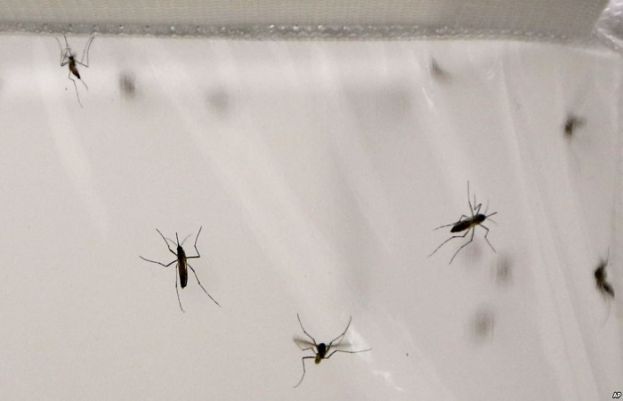
Scientists have succeeded in wiping out a population of caged mosquitoes in laboratory experiments using a type of genetic engineering known as a gene drive, which spread a modification blocking female reproduction.

The researchers, whose work was published on Monday in the journal Nature Biotechnology, managed to eliminate the population in less than 11 generations, suggesting the technique could in future be used to control the spread of malaria, a parasitic disease carried by Anopheles gambiae mosquitoes.

“It will still be at least five to 10 years before we consider testing any mosquitoes with gene drive in the wild, but now we have some encouraging proof that we’re on the right path,” said Andrea Crisanti, a professor at Imperial College London who co-led the work.

The results mark the first time this technology has been able to completely suppress a population. The hope is that in future, mosquitoes carrying a gene drive could be released, spreading female infertility within local malaria-carrying mosquito populations and causing them to collapse.

Gene drive technologies alter DNA and drive self-sustaining genetic changes through multiple generations by overriding normal biological processes. The technologies can be very powerful, but they are also controversial, since such genetically engineered organisms released into the environment could have an unknown and irreversible impact on the ecosystem.

The technique used in this study was designed to target the specific mosquito species Anopheles gambiae that is responsible for malaria transmission in sub-Saharan Africa.

The World Health Organization has warned that global progress against malaria is stalling and could be reversed if momentum in the fight to wipe it out was lost.

The disease infected around 216 million people worldwide in 2016 and killed 445,000 of them. The vast majority of malaria deaths are in babies and young children in sub-Saharan Africa.

Crisanti’s team designed their gene drive to selectively alter a region of a so-called “doublesex gene” in the mosquitoes, which is responsible for female development.

Males who carried this modified gene showed no changes, and neither did females with only one copy of it, he explained in the study. But females with two copies of the modified gene showed both male and female characteristics - they failed to bite and did not lay eggs.

The experiments found the gene drive transmitted the genetic modification nearly 100 percent of the time, and after 7-11 generations the populations collapsed due to lack of offspring.

Crisanti said the results showed that gene drive solutions can work, offering “hope in the fight against a disease that has plagued mankind for centuries”.

He added, however, that “there is still more work to be done, both in terms of testing the technology in larger lab-based studies and working with affected countries to assess the feasibility of such an intervention”.

But Mariann Bassey, a campaigner with the environmental group Friends of the Earth Africa, said the technique was risky.

“To solve the malaria crisis, we should focus on the least risky and most effective solutions, not experiment with ecosystems with little regard for the potentially new environmental and health consequences,” she said in a statement.


from Health - SUCH TV - SUCH TV https://ift.tt/2zrwEU4

Monday, September 24, 2018

Benefits of garlic water for weight loss

Benefits of garlic water for weight loss

Benefits of garlic water for weight loss
Garlic if you didn’t know, is a miracle food which is recommended by Health professionals and Dietitians all around the world. According to the NHS, recent evidence-based research suggests that garlic might be effective in reducing & preventing: high blood pressure, cholesterol, colds, come cancers and cardiovascular disease.

Hundreds of bloggers, influencers and nutritionists are claiming that Garlic is your miracle food when it comes to weight loss. This is in fact, significantly true. The whole picture of weight loss isn’t about restricting your calories. It’s about eating the correct foods at the right times of the day. Exercise can be incorporated for seeing faster results for weight loss, however weight loss is mainly focused on your diet.

Garlic is a an appetite suppressant. To be specific on this term, when you eat garlic, it reduces the your appetite levels by increasing the brain’s sensitivity to leptin. Leptim is the hormone in your brain which is produced by fat cells which regulate your appetite. Therefore, the lower your leptim levels are, the less hungry you’re going to feel.

So we know that garlic reduces your appetite levels, that’s a fact. Garlic also causes the release of another hormone, which is called norepinephrine. Something that would be amusing to try and pronounce that’s for sure. This stimulant is the hormone in which increases your metabolism.

Putting the two together, this one food decreases your appetite and it speeds up your metabolism. This is why garlic is a miracle food in the weight loss world. To gain the best results from eating garlic, it’s advised to buy raw garlic cloves as they’ve not been through a manufacturing process i.e. into capsules therefore they hold the full benefits. If garlic is something you absolutely detest,  then capsules are available however evidence has not been shown as to how accurate they actually are.

How to use Garlic to Lose Belly Fat!

 Ingredients:

 3 Garlic Cloves

1 Cup of Water

1 lemon

Now, you might be wondering as to why the lemon is  involved. Lemon when placed in warm or cold water is able to clear the toxins within your body. It’s also proven to clear the skins complexion, be used as a highly effective detox and is able to boost and keep your metabolism humming nicely.

If you chew 3 garlic cloves in the morning, then drink a glass or cup of lemon water, then you’re guaranteed to see changes around your waistline within a matter of days.

The two together are going to increase weight loss, de-bloat you and you’re going to feel lighter and look amazing. For the best results, incorporate this drink into your daily morning routine so that your metabolism can supercharge all day long.

It’s also important to note that this will only show the best results of weight loss if you follow a healthy diet.


from Health - SUCH TV - SUCH TV https://ift.tt/2NybbS9
Regular bedtime improves sleep quality

Regular bedtime improves sleep quality

Regular bedtime improves sleep quality
Not only does a regular bedtime improve sleep quality, it is just as important for heart and metabolic health among older adults, finds a study.

In a study of 1,978 older adults, researchers at Duke Health and the Duke Clinical Research Institute found people with irregular sleep patterns weighed more, had higher blood sugar, higher blood pressure, and a higher projected risk of having a heart attack or stroke within 10 years than those who slept and woke at the same times every day.

Irregular sleepers were also more likely to report depression and stress than regular sleepers, both of which are tied to heart health. The findings show an association -- not a cause-and-effect relationship -- between sleep regularity and heart and metabolic health.

"From our study, we can't conclude that sleep irregularity results in health risks, or whether health conditions affect sleep," said Jessica Lunsford-Avery, study's lead author. "Perhaps all of these things are impacting each other."

Still, the data suggest tracking sleep regularity could help identify people at risk of disease, and where health disparities may impact specific groups.

"Heart disease and diabetes are extremely common in the United States, are extremely costly and also are leading causes of death in this country," she said. "To the extent we can predict individuals at risk for these diseases, we may be able to prevent or delay their onset."

As one might expect, irregular sleepers experienced more sleepiness during the day and were less active -- perhaps because they were tired, Lunsford-Avery said.

"Perhaps there's something about obesity that disrupts sleep regularity," Lunsford-Avery said. "Or, as some research suggests, perhaps poor sleep interferes with the body's metabolism which can lead to weight gain, and it's a vicious cycle. With more research, we hope to understand what's going on biologically, and perhaps then we could say what's coming first or which is the chicken and which is the egg."

The study appears in the journal Scientific Reports.


from Health - SUCH TV - SUCH TV https://ift.tt/2O2iT6G
Alcohol responsible for one in 20 deaths worldwide: WHO

Alcohol responsible for one in 20 deaths worldwide: WHO

Alcohol
Alcohol kills three million people worldwide each year — more than AIDS, violence and road accidents combined, the World Health Organization said Friday, adding that men are particularly at risk.

The UN health agency´s latest report on alcohol and health pointed out that alcohol causes more than one in 20 deaths globally each year, including drink driving, alcohol-induced violence and abuse and a multitude of diseases and disorders.

Men account for more than three quarters of alcohol-related deaths, the nearly 500-page report found.

"Far too many people, their families and communities suffer the consequences of the harmful use of alcohol through violence, injuries, mental health problems and diseases like cancer and stroke," WHO chief Tedros Adhanom Ghebreyesus said in a statement.

Drinking is linked to more than 200 health conditions, including liver cirrhosis and some cancers.

Alcohol abuse also makes people more susceptible to infectious diseases such as tuberculosis, HIV and pneumonia, the report found.

The some three million alcohol-related deaths registered globally in 2016 -- the latest available statistics -- account for 5.3 percent of all deaths that year.

For young people, the numbers are even more alarming, with a full 13.5 percent of all deaths among 20-29-year-olds considered to be alcohol-related, the study found.

'Unacceptably high'

In comparison, HIV/AIDS was responsible for 1.8 per cent of global deaths in 2016, road injuries accounted for 2.5 per cent and violence for 0.8 percent, it said.

The latest numbers are lower than those in WHO´s last report on global alcohol consumption, published in 2014.

There are "some positive global trends", the agency said, noting shrinking prevalence of heavy episodic drinking and alcohol-related deaths since 2010.

But it warned that "the overall burden of disease and injuries caused by the harmful use of alcohol is unacceptably high," especially in Europe and the Americas.

Globally, an estimated 237 million men and 46 million women suffer from alcohol use disorders, WHO said.

Alcohol abuse affects nearly 15 per cent of men and 3.5 per cent of women in Europe, and 11.5 per cent of men and 5.1 per cent of women in the Americas, it pointed out.

Alcohol consumption overall is unevenly distributed around the globe, with well over half of the world´s population over the age of 15 abstaining completely.

On average, the 2.3 billion people currently considered drinkers — meaning they have drunk alcohol at least once in the past year — consume 33 grammes of pure alcohol per day.

A beer a day

That is roughly equivalent to two glasses of wine, a large bottle of beer or two shots of spirits.

Europe clearly has the highest per capita consumption, which despite a more than 10-per cent drop since 2010 still registered a per capita consumption of 10 litres of pure alcohol or more per year.

Alcohol consumption has dropped in three-quarters of European countries, with the biggest declines seen in Russia, Moldavia and Belarus.

In Russia, average annual alcohol consumption plunged from 18.7 litres of pure alcohol per person over 15 in 2005 to 11.7 litres in 2016, the report said.

This "dramatic decrease" is linked to a range of "positive policies" introduced by Moscow, Vladimir Poznyak, who coordinates WHO´s substance abuse unit, told reporters.

He pointed to the introduction of a minimum price for vodka and an alcohol advertising ban.

Sport sponsorships

WHO however warned that outside of Europe, alcohol consumption has continued to rise, especially in Asia, with China and India registering significant hikes.

It urged countries to do more to counter harmful drinking and to reach a goal of cutting global consumption by 10 per cent between 2010 and 2025.

"Based on all trends and predictions, we can expect an increase in overall alcohol consumption and alcohol-related harm in the next 10 years," Poznyak warned, stressing that "this will definitely result in increased number of deaths and suffering around the world."

WHO is urging countries to tax alcohol and ban advertising of such beverages to reduce consumption.

Poznyak said blocking alcohol companies from sponsoring big sporting events could make a big difference.

"These events are being watched by millions and sometimes billions of young people, and it´s impossible to prevent exposure to this kind of advertising to those who are under the legal age," he said.


from Health - SUCH TV - SUCH TV https://ift.tt/2NuNiuG

Sunday, September 23, 2018

Most nations to miss UN target on chronic diseases: study

Most nations to miss UN target on chronic diseases: study

Most nations to miss UN target on chronic diseases
More than half of all countries will likely fail to hit the UN target of reducing premature deaths from a quartet of chronic diseases by a third before 2030, researchers said Friday.

Cancers, heart and blood-vessel disease, diabetes, and chronic respiratory disease combined to kill 12.5 million people aged 30 to 70 worldwide in 2016, they reported in a major study.

"The bottom line is this: a set of commitments were made, and most countries are not going to meet them," lead author Majid Ezzati, a professor at Imperial School London's School of Public Health, told AFP.

Only 35 nations are on track to meet UN Sustainable Development Goal 3.4 — launched in 2015 — for women, and even less for men, the study revealed.

"International donors and national governments are doing too little to reduce deaths from non-communicable diseases," Ezzati said.

The good news, he added, is that most countries are at least moving in the right direction.

But around 20 states — 15 for women, 24 for men — are either stagnating or backsliding.

That select group of failure includes only one wealthy nation: the United States.

A much-noted study last year in the American Journal of Public Health showed that the rise in premature deaths was especially sharp among white, rural Americans, described by the authors as gripped by an "epidemic of despair".

"It comes down to weak public health, weak health care system, high levels of inequality," Ezzati said.

Weak public health

Across all age groups, non-communicable diseases kill more than 40 million people a year worldwide, accounting for seven in ten deaths.

Of these, 17 million are classified as "premature," or before the age of 70.

"We are sleepwalking into a sick future because of severely inadequate progress on non-communicable diseases," said Katie Dain from the NCD Alliance.

The "NCD Countdown 2030" report, published in The Lancet ahead of next week's UN High-Level Meeting on NCDs in New York, "will assist in holding governments and donors accountable", she added.

Ezzati rejected the notion that the UN goal may have been set too high.

"The fact that 30-odd countries are very much on track, and another 40 or 50 — depending on the gender — are close, means that it is very doable," he said by phone.

Declining tobacco and alcohol use, low blood pressure, a good public health care system, low levels of inequality — countries not doing so well in meeting the UN target are likely to fail in a couple of these things, Ezzati said.

Only four countries -- South Korea, Japan, Switzerland and Australia — ranked among the top ten for lowest NCD mortality rates for both men and women.

China not on track

Spain, Singapore, Portugal, Italy, Finland and France rounded out the good health podium for women.

For men, the other countries were Iceland, Sweden, Norway, Bahrain, Canada and New Zealand.

The United States ranked 53rd for men, and 44th for women, with Chinese men and women placed 80th and 76th, respectively.

China is not on track to meet the goal but its NCD rates are declining, even as levels of obesity and high blood pressure are on the rise, the study revealed.

Smoking rates have stabilised but remain high, especially for men. Tobacco use claims one million lives in China every year.

"China has the ability to do a lot when it comes to managing tobacco and alcohol, with both largely state-owned industries," Ezzati noted.

"They are also wealthy enough so that hypertension treatment should be trivial."

In sub-Saharan Africa, non-communicable diseases account for a smaller share of deaths than infectious diseases such as AIDS and tuberculosis.

But their NCD mortality rates are still much higher than in most middle-income and rich countries, and should not be neglected, the authors said.

"By any standard, it would be inappropriate and non-strategic to not incorporate NCDs in the strengthening of the overall health care system," Ezzati said.

"We should say to the donor and aid agencies: 'Focus on the overall health system rather than disease by disease'."


from Health - SUCH TV - SUCH TV https://ift.tt/2xDVGNO

Wednesday, September 19, 2018

US mulls ban on flavored e-cigarettes amid youth 'epidemic'

US mulls ban on flavored e-cigarettes amid youth 'epidemic'

US mulls ban on flavored e-cigarettes amid youth 'epidemic'
US regulators said Wednesday they are considering an immediate ban on flavoured e-cigarettes, as the Food and Drug Administration chief warned of an "epidemic" of vaping among youths.

The agency sent more than 1,100 warning letters and 131 fines to retailers it said illegally sold JUUL and other e-cigarette products to minors during a nationwide undercover sting including brick-and-mortar and online stores this summer.

The crackdown marked the "largest coordinated enforcement effort in the FDA's history," the agency said in a statement, warning of even harsher action to come.

"We see clear signs that youth use of electronic cigarettes has reached an epidemic proportion, and we must adjust certain aspects of our comprehensive strategy to stem this clear and present danger," said FDA Commissioner Scott Gottlieb in a statement.

"We're especially focused on the flavoured e-cigarettes. And we're seriously considering a policy change that would lead to the immediate removal of these flavoured products from the market."

Gottlieb cited preliminary data that has not yet been published, but which he said shows "youth use of e-cigs is rising very sharply."

The data is expected to be published in the coming months. The FDA declined to release the figures publicly.

According to the Washington Post, the preliminary data is from the National Youth Tobacco Survey, and it shows a 75 per cent increase in e-cigarette use among high school students in 2018 compared to 2017.

"I use the word epidemic with great care. E-cigs have become an almost ubiquitous — and dangerous — trend among teens," added Gottlieb.

"The disturbing and accelerating trajectory of use we're seeing in youth, and the resulting path to addiction, must end."

According to the Campaign for Tobacco-Free Kids' president Matthew Myers, the FDA has made a crucial step toward curtailing youth use of e-cigarettes.

"Critically, FDA for the first time recognizes that it must be addressed by requiring that manufacturers remove flavoured products from the market unless those products have been reviewed by FDA, alter current marketing practices, eliminate online sales and take significant steps to curtail illegal sales to kids," Myers said.

He said the FDA move could "represent a fundamental turning point" if the agency requires "all of these products undergo premarket review now, not four years from now."

E-cigarettes are battery-powered devices that heat a nicotine liquid into a vapour that can be inhaled.

Many use fruit-flavoured liquids that critics say appeal to kids, and risk addicting them to nicotine.


from Health - SUCH TV - SUCH TV https://ift.tt/2QDquH0

Sunday, September 16, 2018

Health Ministry decides to constitute Emergency Nutrition Task Force, Aamir Kiani

Health Ministry decides to constitute Emergency Nutrition Task Force, Aamir Kiani

Health Ministry decides to constitute Emergency Nutrition Task Force
A meeting chaired by Minister for National Health Services, Aamir Mehmoud Kiani in Islamabad today decided to constitute an emergency nutrition task force with the aim to eliminate child malnutrition.

The meeting was attended by the provincial health and population welfare ministers.

It was decided that the provinces will be given representation in the task force.

The meeting also decided to take steps to make the lady health workers more effective and functional.

It stressed on the need for chalking out a strategy to check the population growth.

Addressing the meeting, Aamir Mehmoud Kiani said that a countrywide campaign will be launched from 15th of next month against measles.

He said the health sector was ignored in the past, but we will give priority to this sector as per the vision of Prime Minister Imran Khan.

The Minister said all resources will be utililized to bring improvement in the health sector.


from Health - SUCH TV - SUCH TV https://ift.tt/2OpSlsG

Saturday, September 15, 2018

Ingrown Toenail: Remedies, When to See Your Doctor

Ingrown Toenail: Remedies, When to See Your Doctor

Ingrown Toenail: Remedies, When to See Your Doctor
Why does this happen?

An ingrown toenail happens when the corner or edge of your toenail curves and grows into the surrounding skin. This may cause pain, redness, and swelling. The condition is very common in both men and women. Your big toe is most likely to be affected.

Common causes of ingrown toenails are:

  • toenail trauma, such as stubbing your toe
  • wearing shoes that are too tight
  • cutting toenails too short
  • cutting toenails at an angle

To prevent infection, it’s important to treat ingrown toenails as soon as they occur. Mild cases may require minor treatment with home remedies. Serious cases may need surgical intervention.

Here are 10 common ingrown toenail remedies.

1. Soak in warm, soapy water

Soaking the affected foot may help reduce swelling and ease pain. You can soak your foot in warm, soapy water three times a day for up to 20 minutes at a time. Castile soap is a good option. Adding Epsom salts to the water may bring additional relief.

2. Soak in apple cider vinegar

Apple cider vinegar is a folk remedy for almost everything these days, including ingrown toenails. It’s believed to have antiseptic, anti-inflammatory, and pain-relieving abilities, although scientific evidence is limited at best.

To try this remedy, prepare a basin of warm water combined with 1/4 cup apple cider vinegar. Soak the affected foot for up to 20 minutes daily. Dry your foot thoroughly after soaking.

3. Pack the area with dental floss or cotton

Mayo Clinic recommends tucking small bits of cotton or waxed dental floss under the edge of an ingrown toenail to encourage proper nail growth. Not every medical group agrees.

According to the American College of Foot and Ankle Surgeons, placing cotton under your nail may increase pain and allow harmful bacteria to thrive. Soaking the cotton or floss in alcohol before application may help reduce this risk.

4. Apply antibiotic ointment

Using over-the-counter antibiotic ointment or cream can promote healing and help reduce the risk of infection. Apply the ointment to the affected toenail following the manufacturer’s instructions, usually up to three times daily. These ointments include Neosporin, Polysporin, and Bactroban. Be sure to bandage the toenail after application.

5. Wear comfortable shoes and socks

Shoes and socks that are too tight can crowd your toes. This is considered to be a leading cause of ingrown toenails. To help prevent an ingrown toenail from developing or worsening, wear shoes and socks or hosiery that fit but still leave ample space in the toe bed. During the healing process, avoid shoes or wear sandals as much as possible to limit pressure on your toenails.

8. Take an over-the-counter pain reliever

Acetaminophen (Tylenol) may help relieve ingrown toenail pain. Side effects are unusual unless you take more than the daily recommended amount of 3,000 milligrams daily or you take it with alcohol.

If swelling is present, ibuprofen (Advil) may be a better option because it relieves both pain and swelling. Some common side effects of ibuprofen include abdominal pain, upset stomach, and diarrhea.

Take all over-the-counter pain relievers as directed by the manufacturer or your doctor.

7. Use a toe protector

A toe protector provides a cushioning barrier for ingrown toenails. Toe protectors are available as rings that fit around the affected area or as a covering for the entire toe. Some brands of toe protectors, such as Dr. Scholl’s, come with a medicated gel to help soften toenails for easy trimming. Use the treatment as directed until the ingrown toenail is gone.

6. Try a toe brace

Toe braces are usually made of thin, adhesive, composite material and are glued to the top of your toe. They’re meant to help shield your skin from a sharp, ingrown nail and lift the nail edges as your nail grows. Toe braces are available online and in some pharmacies.

9. See your doctor about oral antibiotics

Oral antibiotics aren’t routinely prescribed for uninfected ingrown toenails. There’s no evidence that they improve the condition. Still, if you have an infected nail or a weakened immune system, you may need oral antibiotics.

Some signs of infection are:

  • increased redness
  • throbbing pain
  • increased swelling
  • pus
  • warmth in the affected toe and its surrounding area
  • foul odor

Some antibiotics used to treat infected ingrown toenails are ampicillin, amoxicillin, and vancomycin.

10. Consider nail removal

If an ingrown toenail doesn’t improve with home remedies, partial or full removal of the nail may be necessary. Using a local anesthetic, a doctor may remove part of the nail’s border, the underlying nail bed, or part of the middle growth plate.

In severe, recurring cases, the entire ingrown nail may be removed. This is a last resort, and a potentially painful solution that may increase your risk of infection. It also increases the risk that your toenail will be misshapen as it grows back.

When to see a doctor

Minor foot problems like ingrown toenails may cause serious complications in some people. See your doctor if you have an ingrown toenail and you have diabetes or another condition that causes poor circulation, or you have a compromised immune system.

You should also see a doctor if:

  • Pain and swelling are severe.
  • Home remedies don’t improve the condition.
  • You have an allergic skin reaction to a home remedy.
  • You have questions about how to care for an ingrown toenail.

Outlook and prevention

Most ingrown toenails aren’t serious. They should improve within a week or so without causing permanent damage with the proper home care. Left untreated, ingrown toenails may cause severe pain and infection that could spread to the bone.

It’s common for ingrown toenails to recur, especially if you don’t take steps to prevent them.

Prevention tips

  • Move around carefully to avoid toenail trauma.
  • Trim your toenails straight across, no shorter than the tip of your toe.
  • If your job increases your risk of toenail injury, wear protective footgear.


from Health - SUCH TV - SUCH TV https://ift.tt/2xctstm
Nestle to remove stabilizers from major milk brands in Brazil

Nestle to remove stabilizers from major milk brands in Brazil

Nestle to remove stabilizers from major milk brands in Brazil
Nestle SA is eliminating stabilizers from two of its major milk brands in Brazil, an executive told Reuters, as the world’s largest food company makes a global push to capture growing consumer interest in natural, healthy and organic products.

In an interview on Monday afternoon, Fabiana Fairbanks, beverages business executive officer for Nestle Brazil, said the firm’s Ninho and Molico brands, a milk for children and a skimmed milk, respectively, will be sold without preservatives starting this month.

With the move, which required an investment of 140 million reais ($34.3 million), Nestle’s two “ultra-high temperature” milks in Brazil, which can be stored for prolonged periods of time at room temperature, have no stabilizers. The two brands make up about 10 per cent of the 2 billion liters of milk Nestle sells in Brazil every year.

Brazil is part of a larger natural-products push by the Swiss-based company throughout the Americas. In February, Nestle bought a majority stake in Terrafertil, an Ecuadorian company selling natural and organic plant-based foods. In the second half of 2017, the company announced deals for Sweet Earth vegetarian foods, Blue Bottle coffee, and Chameleon Cold-Brew Coffee.

While Brazil is still behind developed countries in terms of offerings considered more natural than traditional products, Fairbanks said the nation was quickly catching up, and Nestle’s Brazil unit was continually evaluating other options in the segment.

“In my opinion, Brazil is evolving very quickly in this area,” she said. “You see retailers themselves setting aside areas of stores just for natural products.”

Earlier this year, Nestle launched its first organic-food products in Brazil and opened a new quality assurance lab in Brazil as part of a larger natural products push.


from Health - SUCH TV - SUCH TV https://ift.tt/2x7IVuy
Traditional gender roles don't keep men from becoming caregivers

Traditional gender roles don't keep men from becoming caregivers

Traditional gender roles don't keep men from becoming caregivers
Elderly husbands may devote just as much effort to caring for a sick spouse as their wives might do if the situation were reversed, a German study suggests.

Plenty of research on gender roles among older couples has found women do the bulk of housework even if both spouses have similar amounts of time available for domestic chores, the study team notes. Less clear, however, is whether men take on more caregiving or housework when women get sick.

For the current study, researchers followed 538 older couples from 2001 to 2015 to look for connections between declining health in one spouse and shifts in the amount of time devoted to caregiving or household duties for the other.

“Male caregivers were just as responsive towards their partner’s onset of illness as female caregivers,” said study co-author Laura Langner of the University of Oxford in the UK.

“This stands in sharp contrast to the division of caregiving (i.e. childcare) and housework in mid-life,” Langner said by email.

When a spouse became ill, men increased the amount of time they spent on caregiving each week by roughly the same amount as women did, resulting in similar care hours regardless of which spouse was sick, researchers report in The Journals of Gerontology: Series B. For men, the increase was much greater when their wives were seriously ill than when they needed less care.

However, 30 per cent of male caregivers had outside help, compared with 18 per cent of female caregivers.

And housework was a different story.

Men with ill partners increased their errands and housework by 4.4 hours more each week than women did when their spouses fell ill, the study found, but that was largely because women were already putting in more hours on housework.

In the absence of a sick spouse, women spent an average of 12 hours more than men on housework. So once husbands became ill, wives still did 7.4 more hours of housework a week than the men with sick spouses.

One limitation of the study is that men tend to exaggerate how much time they spend on housework, the authors point out.

The results also may not apply more widely because they are from Germany, where people have access to a national long-term care insurance system, which provides home and institutional care or cash benefits, noted Carol Levine, director of the Families and Health Care Project at the United Hospital Fund in New York City.

“This system marks Germany as a ‘communitarian’ society, whereas the United States is ‘individualistic,’ leaving responsibility for care up to the individual and family,” Levine, who wasn’t involved in the study, said by email.

Almost half of family caregivers in the US handle medical tasks such as monitoring medications (including injections and infusions), providing wound care after surgery or for diabetes wounds, monitoring medical equipment such as oxygen tanks or motorized lifts, preparing special diets, managing incontinence, dealing with behaviour problems and more, Levine said.

“These tasks require a level of expertise that goes far beyond household chores and errands,” Levine added. “Perhaps in the German system trained professionals make home visits to provide this level of care.”

Still, the results suggest that traditional gender roles don’t prevent men from taking on a caregiving role when a wife is ill, the study authors note.

“The gender gap in life expectancy is closing, suggesting that many more men will be called upon to care for their partners,” Langner said. “In light of our findings, women won’t have to worry that their partners won’t care for them if they are in need of care.”


from Health - SUCH TV - SUCH TV https://ift.tt/2O7aOu7

Tuesday, September 11, 2018

Less Sleep Increases Risk of Asymptomatic Atherosclerosis

Less Sleep Increases Risk of Asymptomatic Atherosclerosis

Less Sleep Increases Risk of Asymptomatic Atherosclerosis
A study said sleeping less than six hours or waking up several times in the night is associated with an increased risk of asymptomatic atherosclerosis, which silently hardens and narrows arteries.

Study author said failure to get enough sleep and restlessness during the night should be considered risk factors for blocking or narrowing of the arteries.

The research also showed that people who had short or disrupted sleep were also more likely to have metabolic syndrome, which refers to the combination of diabetes, high blood pressure, and obesity, and depicts an unhealthy lifestyle.


from Health - SUCH TV - SUCH TV https://ift.tt/2CA9eQb